Print student work
Start with the worksheet, answer key, and quick checks when you need an independent task or absence catch-up.
Teacher-ready science resource · Grades 4-6
Help students trace energy from producers to consumers with a printable model, producer/consumer cards, answer key, station prompts, EL supports, and a Puppetry narrator line students can customize with local examples.
Supplemental unit support
Fit this grades 4-6 kit around the sequence your school already uses. It is built for quick print-project-assign moments, not as official curriculum or a replacement for district materials.
No district, state, publisher, or curriculum-provider affiliation is implied. Treat Puppetry as the explanation and artifact layer around your adopted lessons, investigations, and classroom discussions.
Start with the worksheet, answer key, and quick checks when you need an independent task or absence catch-up.
Use the diagram, vocabulary, and anchor-chart supports while students point to evidence and explain the idea aloud.
Pair the station cards, family note, or substitute flow with your existing unit routine instead of rebuilding the lesson.
Paste the script into Puppetry, adjust vocabulary or language support, and create a short classroom video for replay.
Classroom explainer
A dedicated Puppetry embed is still needed. Until then, use this teacher script to generate a short explainer with local plants and animals.
Video brief ready
Generate a local food-chain explainer
Prompt Puppetry to explain how energy starts with a producer, moves to consumers, and can be customized with organisms from your local habitat.
Dedicated Puppetry video pending
Make this classroom explainer
Open a runnable excerpt in Text Studio, then choose a character and classroom voice.
Prefills 463 characters, within the free-account limit.
Teacher jobs to be done
Use the model to teach producer, consumer, decomposer, and arrow-direction reasoning before students draft a Puppetry narrator line.
Ask students to name one plant and two animals they might see nearby. Explain that food chains trace where energy comes from and where it moves.
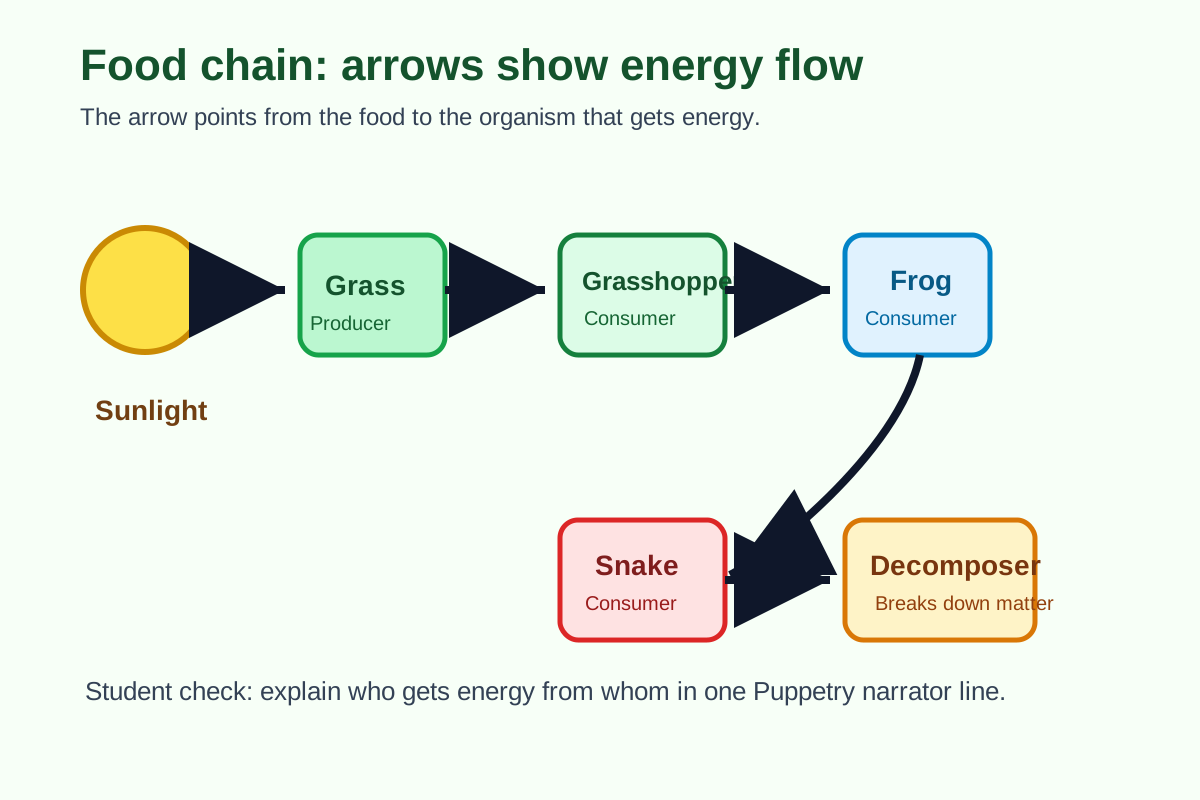
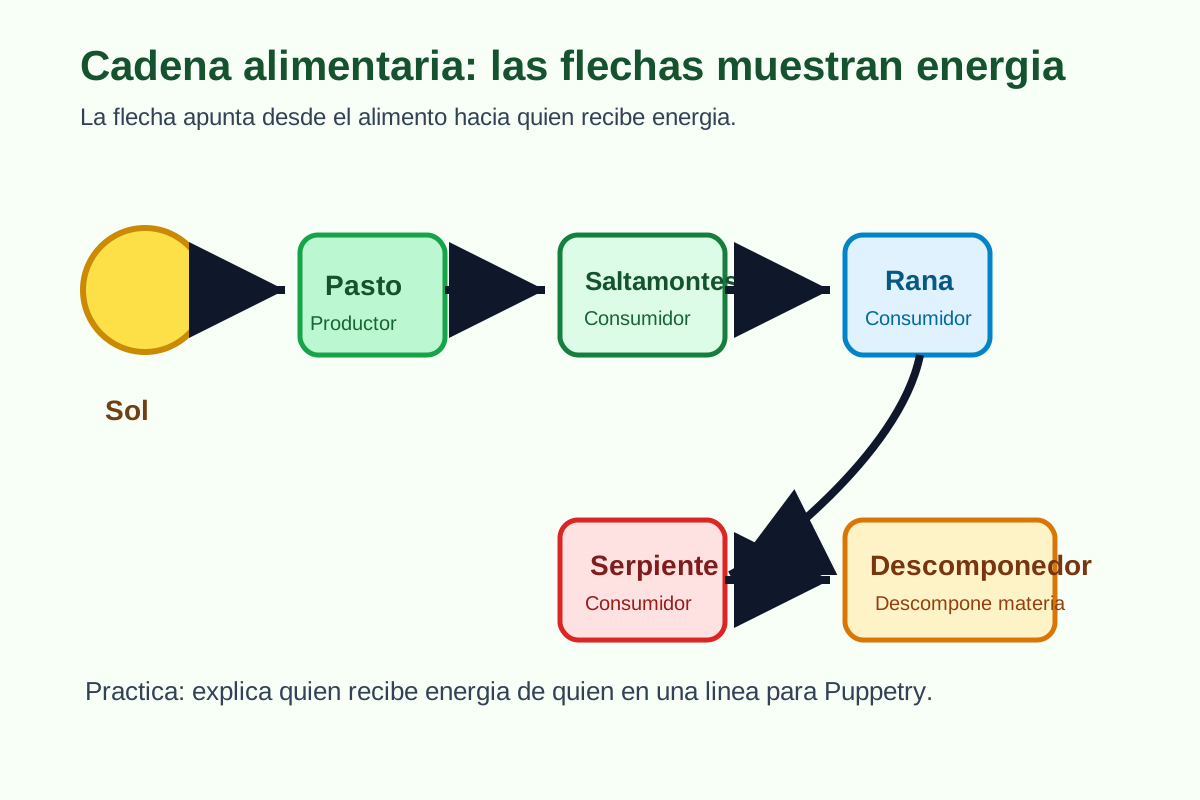
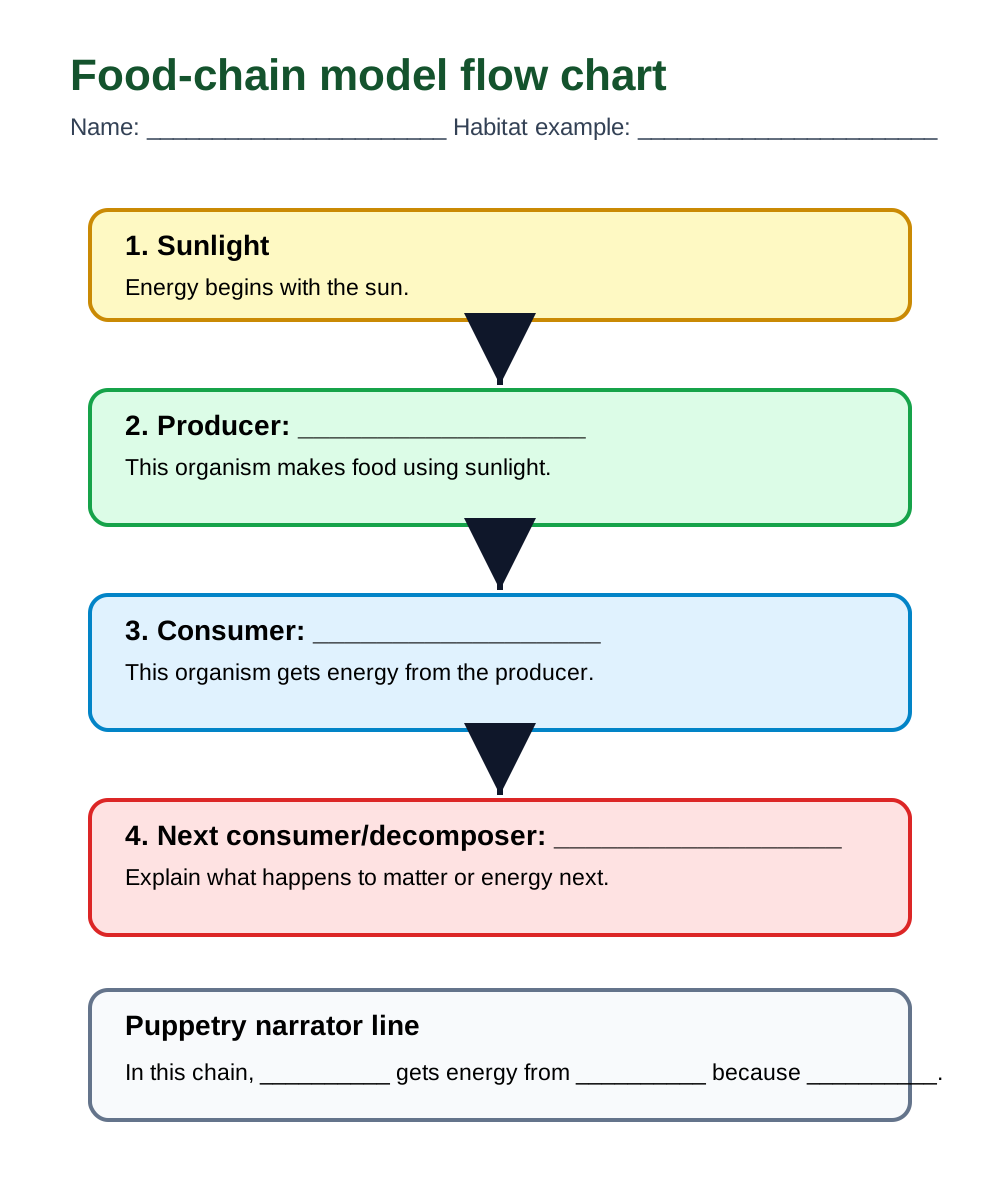
Use the diagram to show sunlight, producer, primary consumer, secondary consumer, and decomposer. Emphasize that arrows show energy moving from food to eater.
Students sort organism cards, fix an arrow-direction mistake, and build a simple local food chain with a partner.
Students write one clear narrator line that explains who gets energy from whom, then revise it for a local example.
Student explanation
A food chain is a model that shows how energy moves through living things. Producers make food using sunlight. Consumers get energy by eating plants or animals. Decomposers break down dead matter and return nutrients to the ecosystem. In a food-chain diagram, arrows point from the food to the living thing that gets energy.
Worksheet + assessment
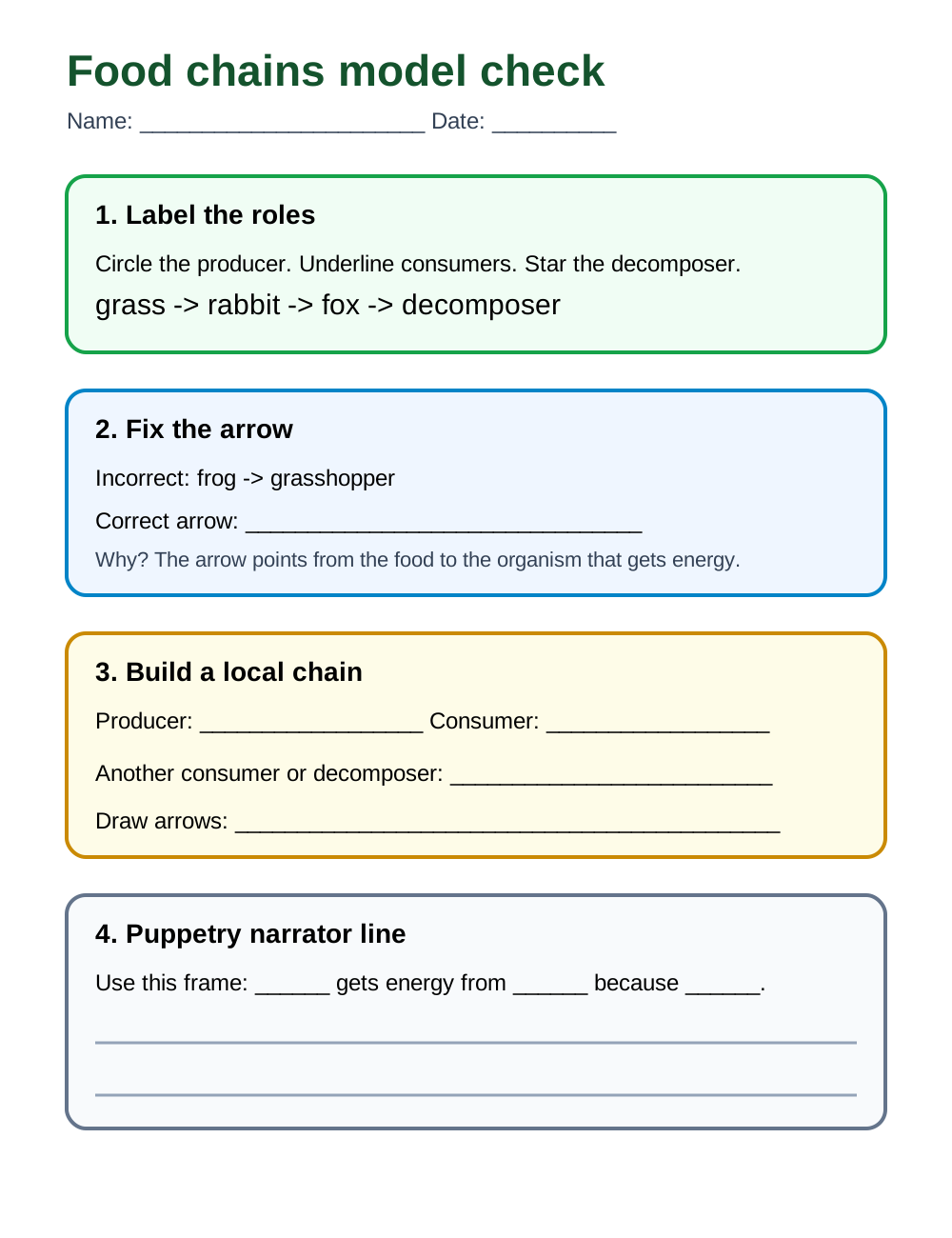
Students identify roles, draw energy-flow arrows, correct a misconception, and draft one Puppetry narrator line.
Student worksheet preview
Label the roles
Circle the producer, underline consumers, and star the decomposer.
Fix the arrow
Rewrite one incorrect arrow so it points from the food to the organism that gets energy.
Narrate the chain
Write one Puppetry narrator sentence using "gets energy from."
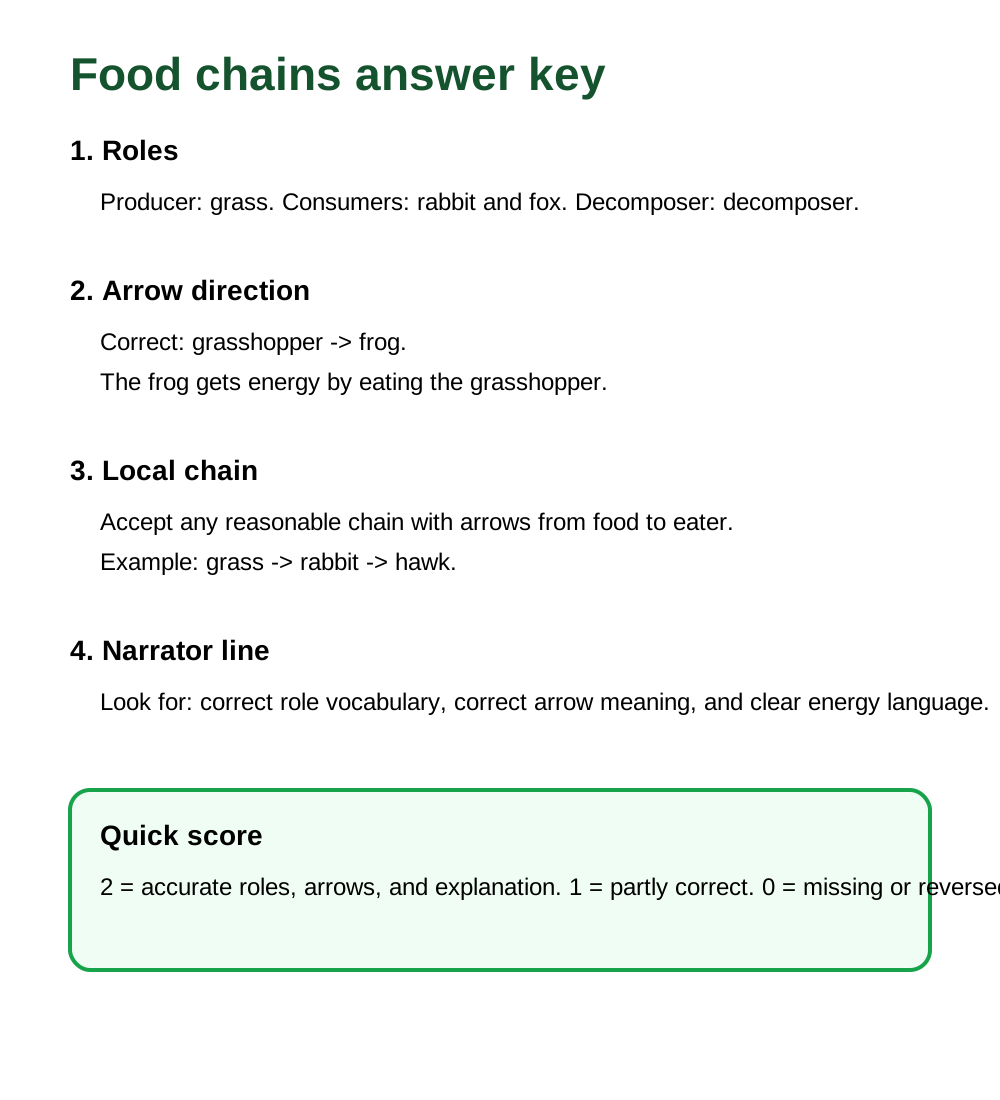
Answer: A living thing, usually a plant or algae, that makes its own food using sunlight.
Answer: A living thing that gets energy by eating plants or animals.
Answer: From the food to the living thing that gets energy.
Answer: They break down dead matter and return nutrients to the ecosystem.
Answer: It helps explain energy movement, but real ecosystems have many connected chains.
Stations + home connection
Use these add-ons for centers, substitute plans, family review, or quick reteaching without creating a separate activity from scratch.
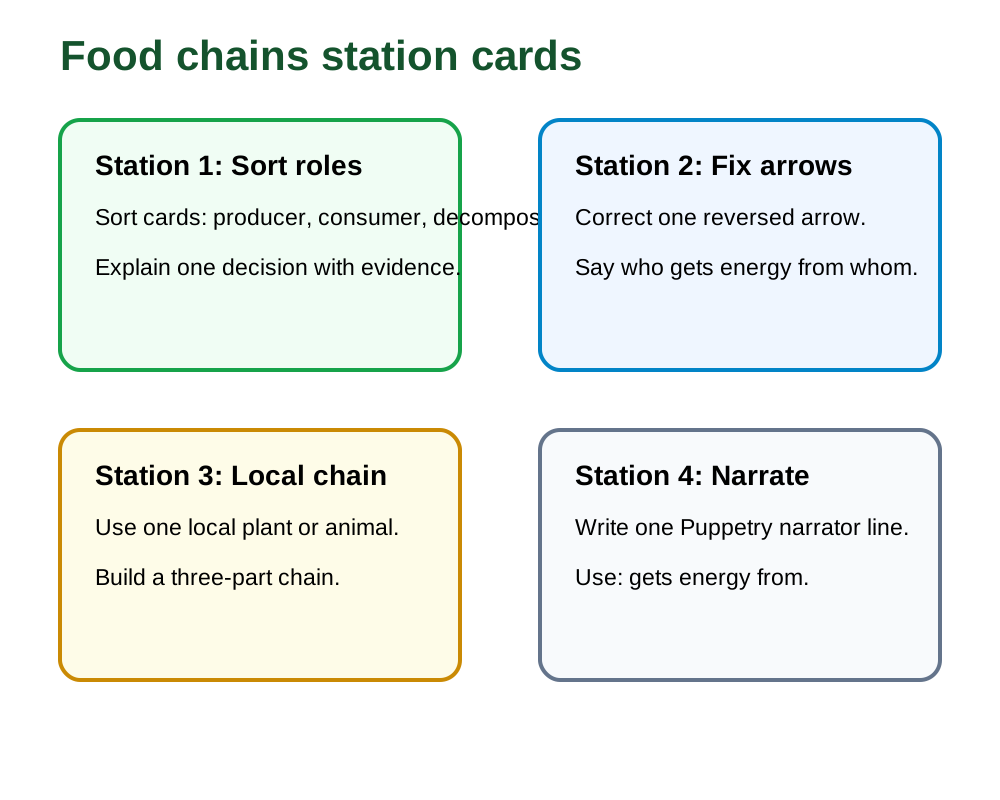
Station card
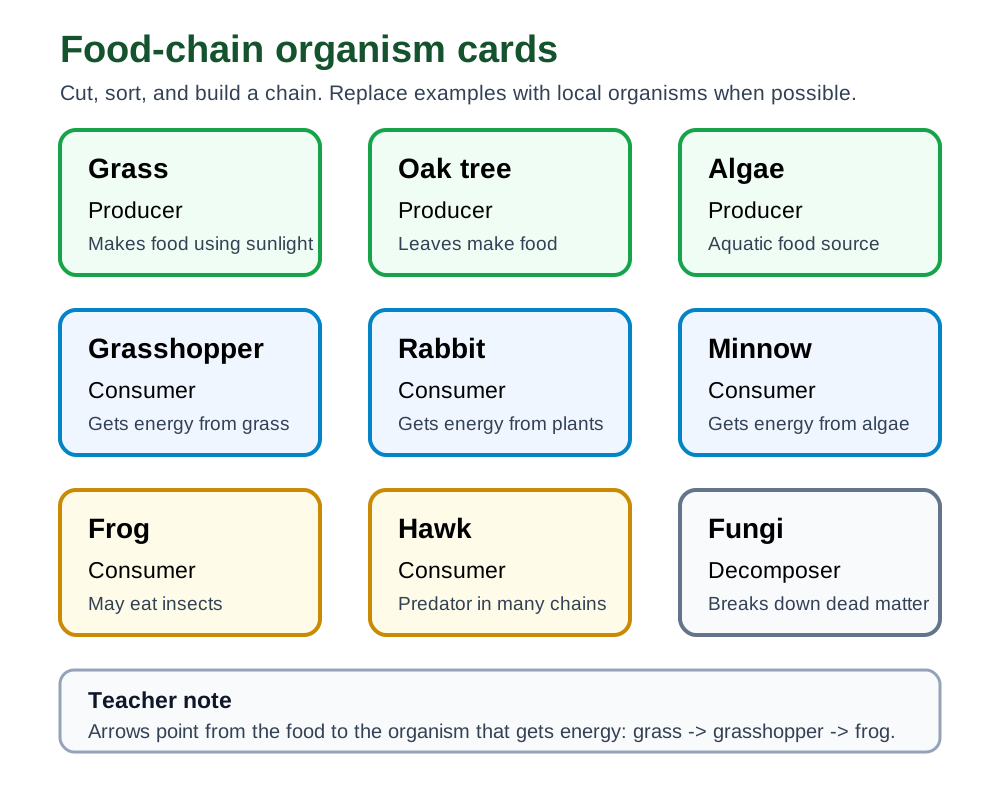
Students sort organism cards into producer, consumer, and decomposer groups.
Teacher note: Listen for students using evidence, not size or movement, to decide roles.
Station card
Students correct an arrow and explain what the arrow means.
Teacher note: Prompt: "The arrow starts at the food and points to the eater."
Station card
Students build a chain with one local plant or animal and rehearse a Puppetry narrator line.
Teacher note: This creates the customization hook for teacher-generated Puppetry videos.
Slide outline
Use this sequence with the diagram on screen and the worksheet in students' hands. It is an artifact flow, not a prescription.
Answer key support
In a food chain, arrows point from the food to the organism that gets energy.
Any living thing that eats plants or animals is a consumer, including small insects.
A food chain is a simple model; food webs show many connected chains.
Artifact library
Grab the full set after the core lesson path: printable student work, projectable visuals, teacher supports, Spanish/EL scaffolds, assessment tools, and Puppetry publishing add-ons.
Projectable producer-to-consumer energy-flow model
Download Spanish diagramSpanish projectable food-chain energy-flow model
Download worksheetStudent food-chain model and narrator-line practice
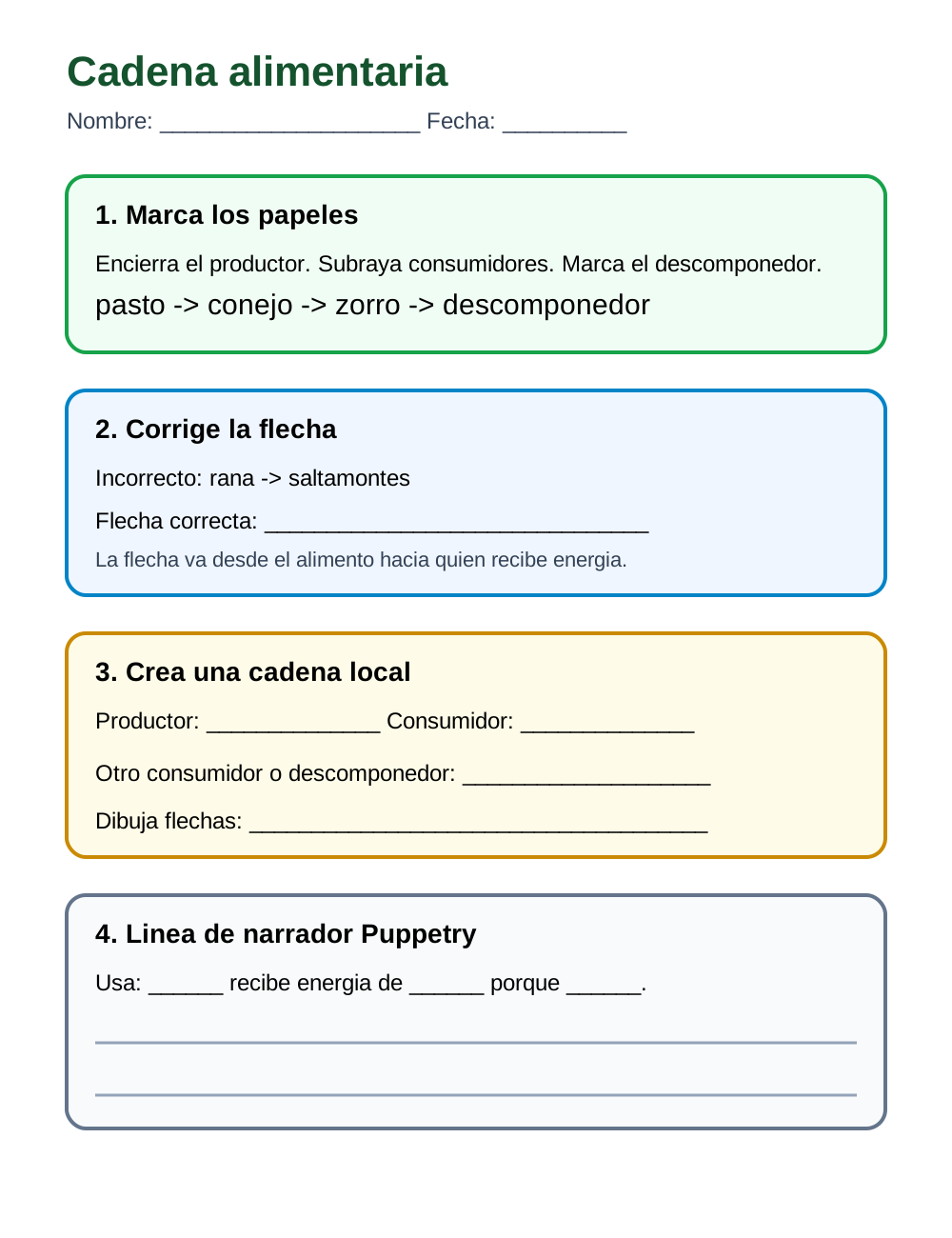
Download Spanish worksheetSpanish food-chain model and narrator-line practice
Download answer keyFast scoring key for roles, arrows, and explanation
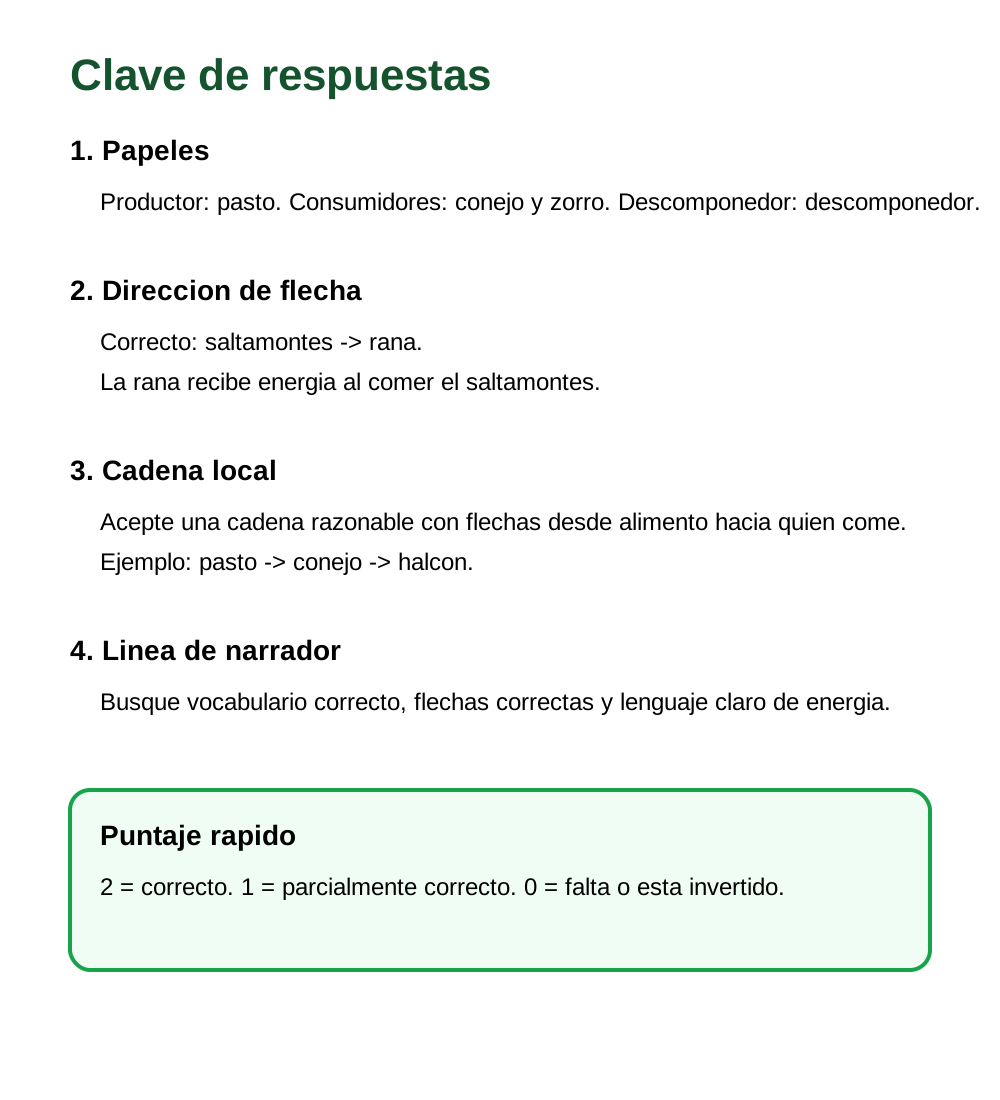
Download Spanish answer keySpanish scoring key for roles, arrows, and explanation
Download station prompt cardsCard-sort, arrow-direction, and local habitat station tasks
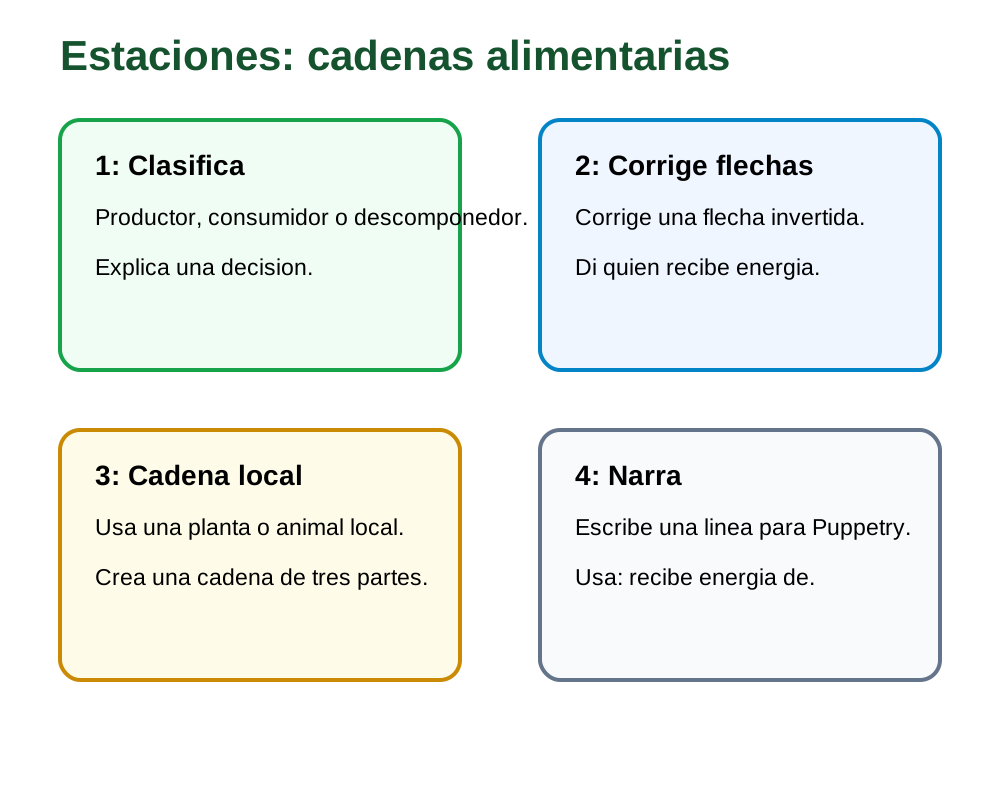
Download Spanish station prompt cardsSpanish station prompts for food-chain model talk
Download producer/consumer cardsLocalizable organism cards for sorting roles and building chains
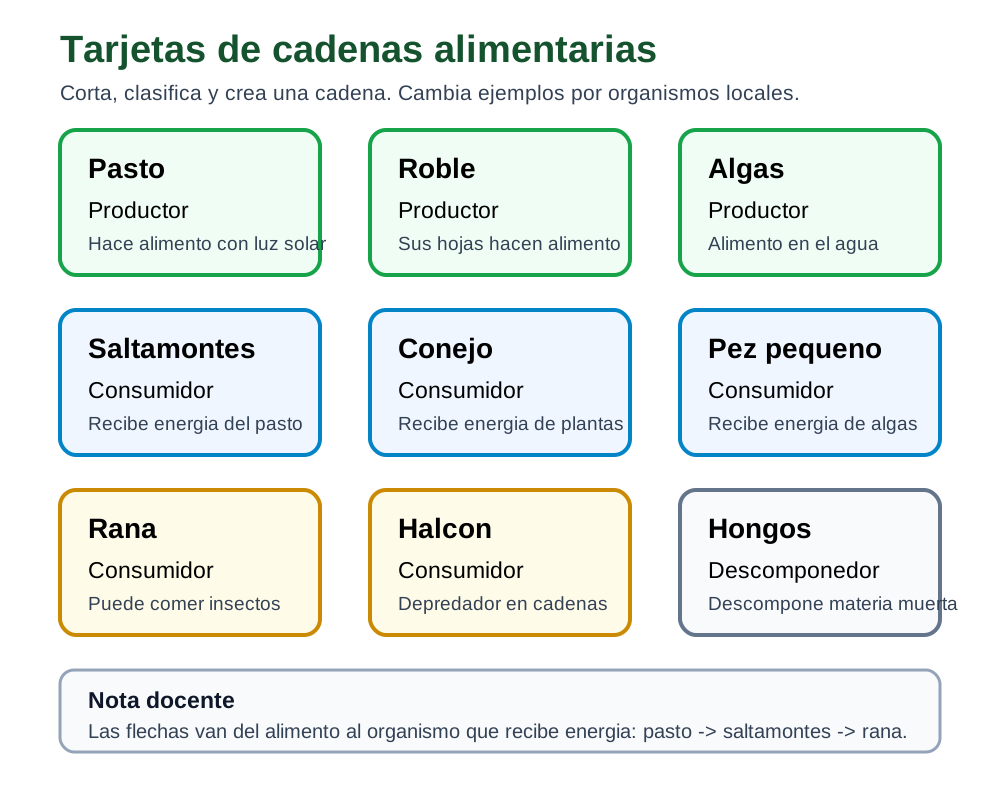
Download Spanish producer/consumer cardsSpanish organism cards for sorting roles and building food chains
Download model-flow chartStudent flow chart for explaining how energy moves through the chain
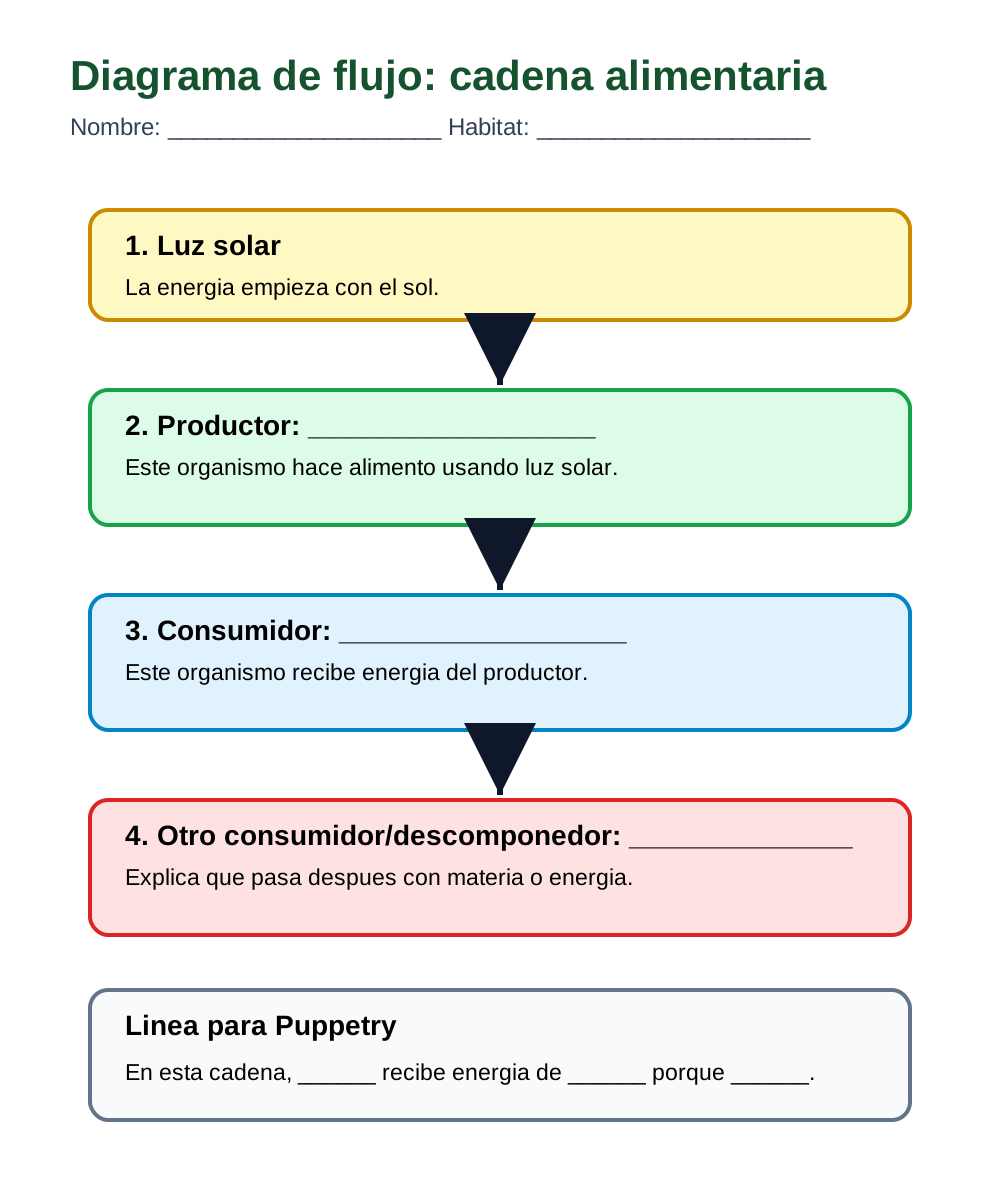
Download Spanish model-flow chartSpanish flow chart for explaining food-chain energy transfer
Open the complete library for additional Spanish/EL, assessment, family, station, and publishing resources.
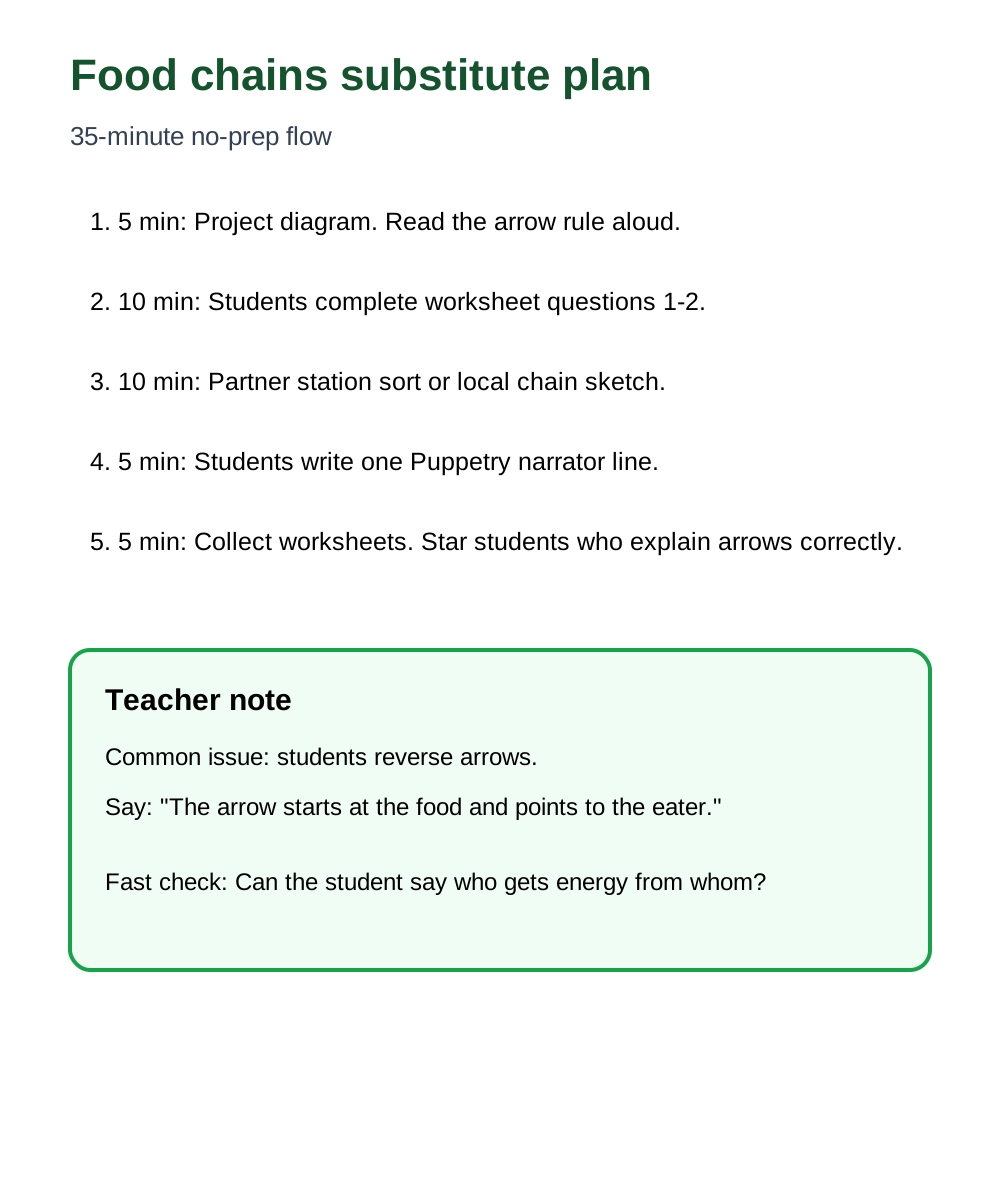
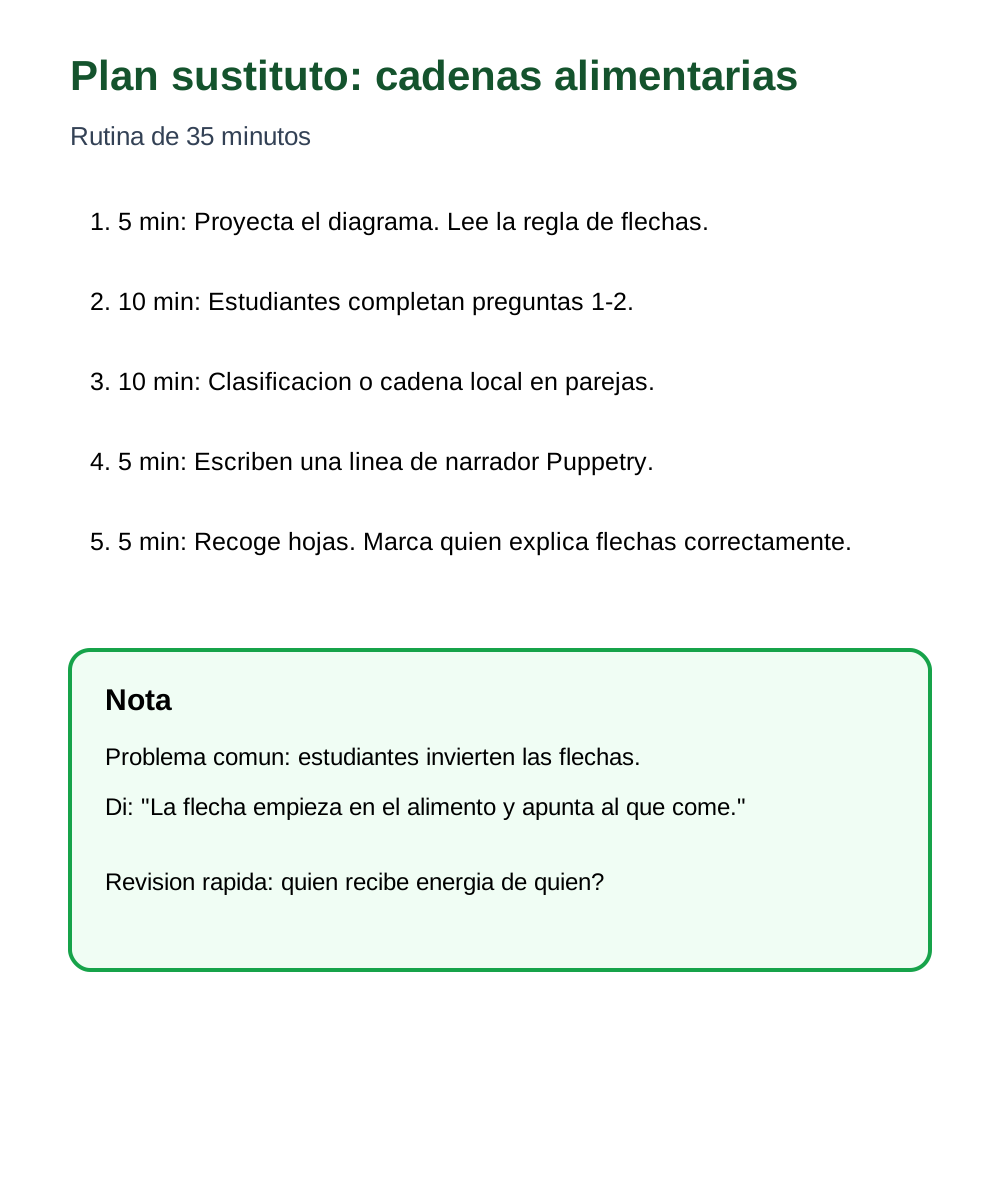
No-prep 35-minute guest teacher flow
Download Spanish substitute planSpanish no-prep guest teacher flow
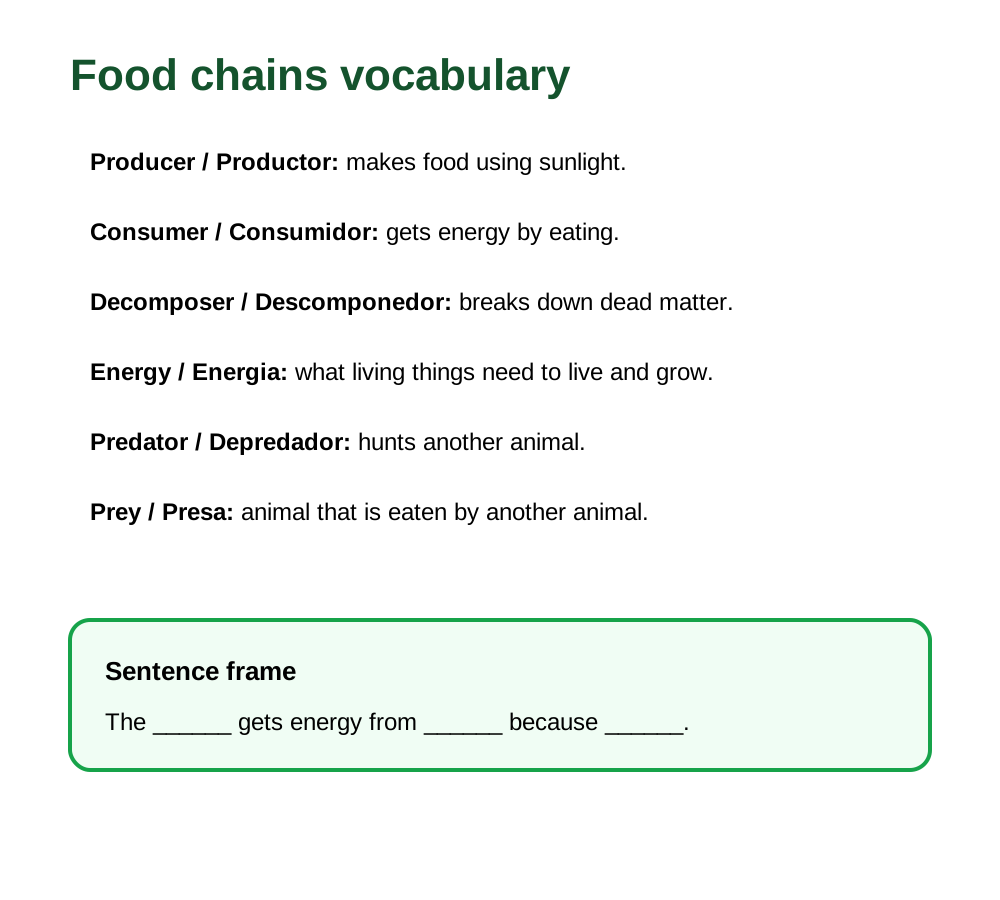
Download bilingual vocabulary cardProducer, consumer, decomposer, predator, prey, energy
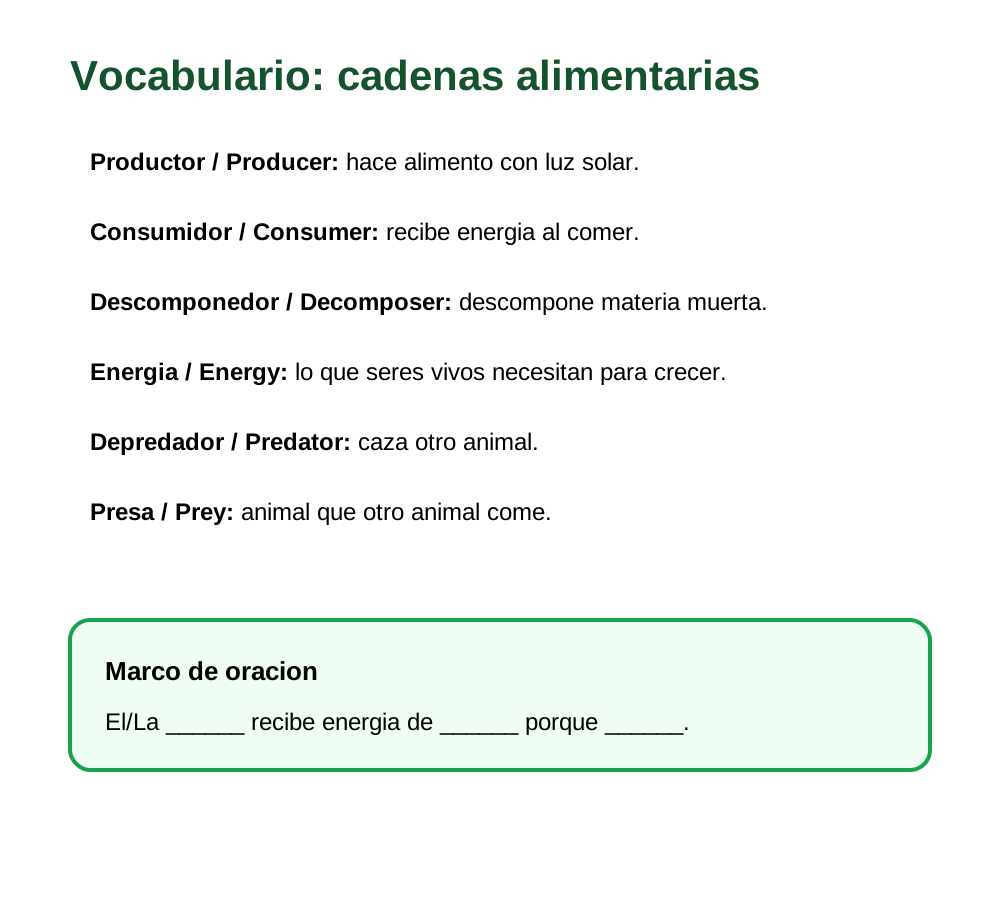
Download Spanish bilingual vocabulary cardSpanish vocabulary support for food-chain explanations
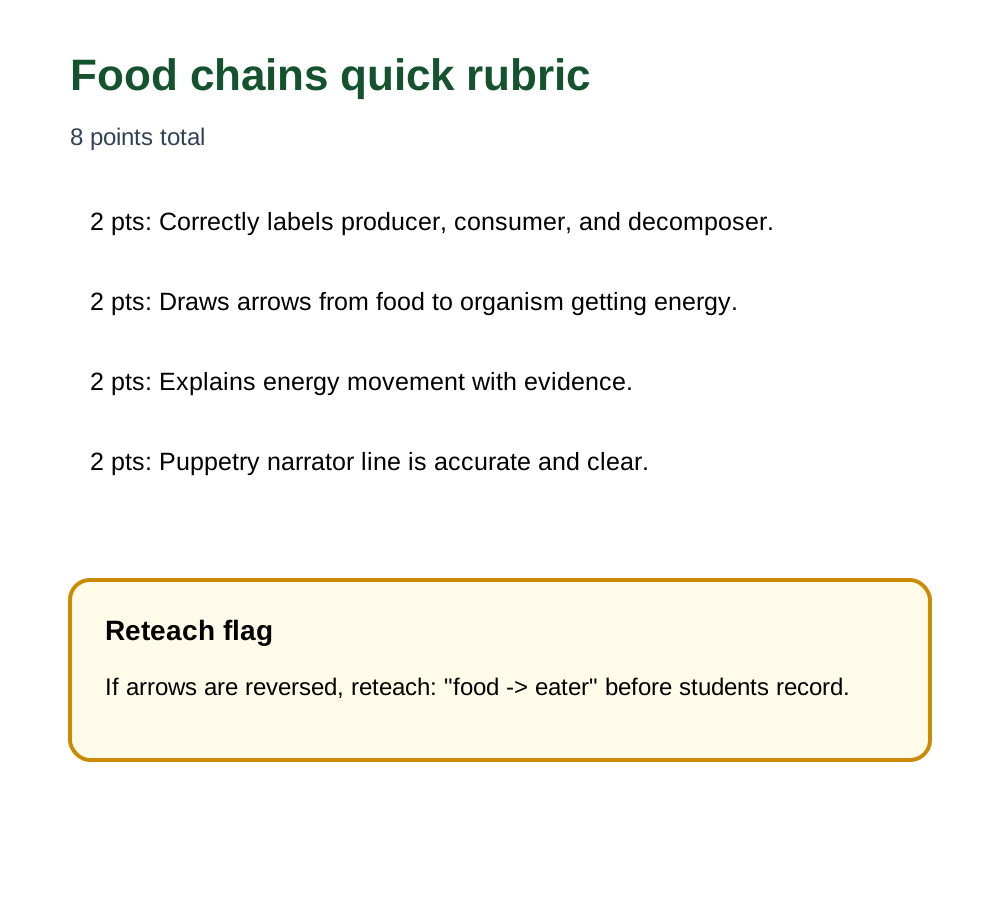
Download quick rubric8-point scoring guide for model, roles, arrows, and narration
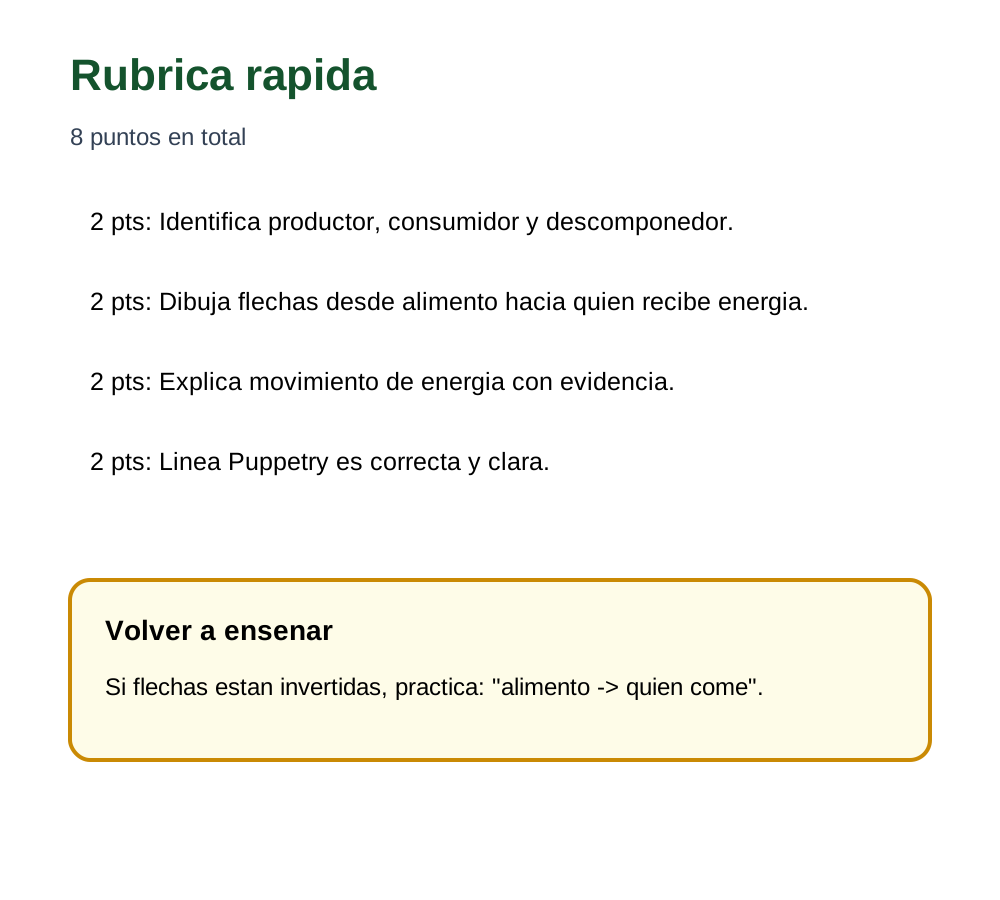
Download Spanish quick rubricSpanish 8-point scoring guide for food-chain explanations
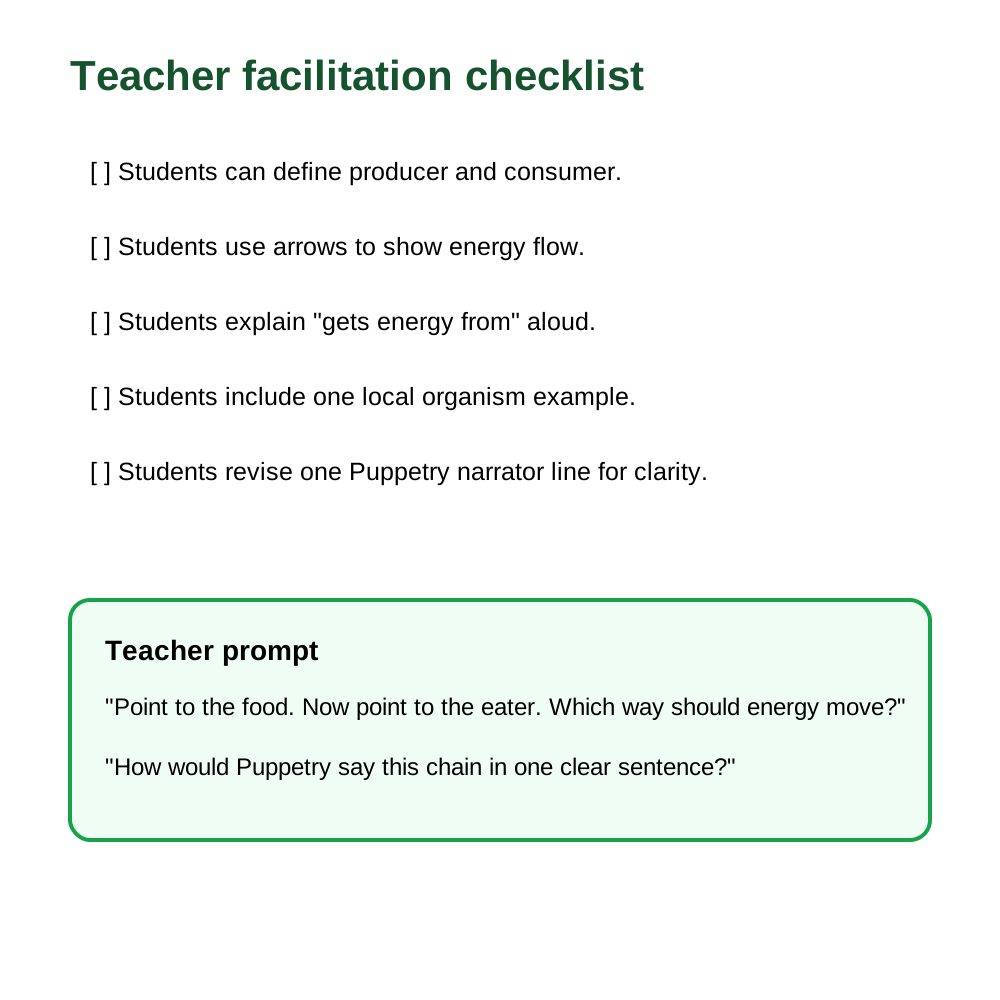
Download teacher facilitation checklistTeacher look-fors for energy-flow talk and Puppetry rehearsal
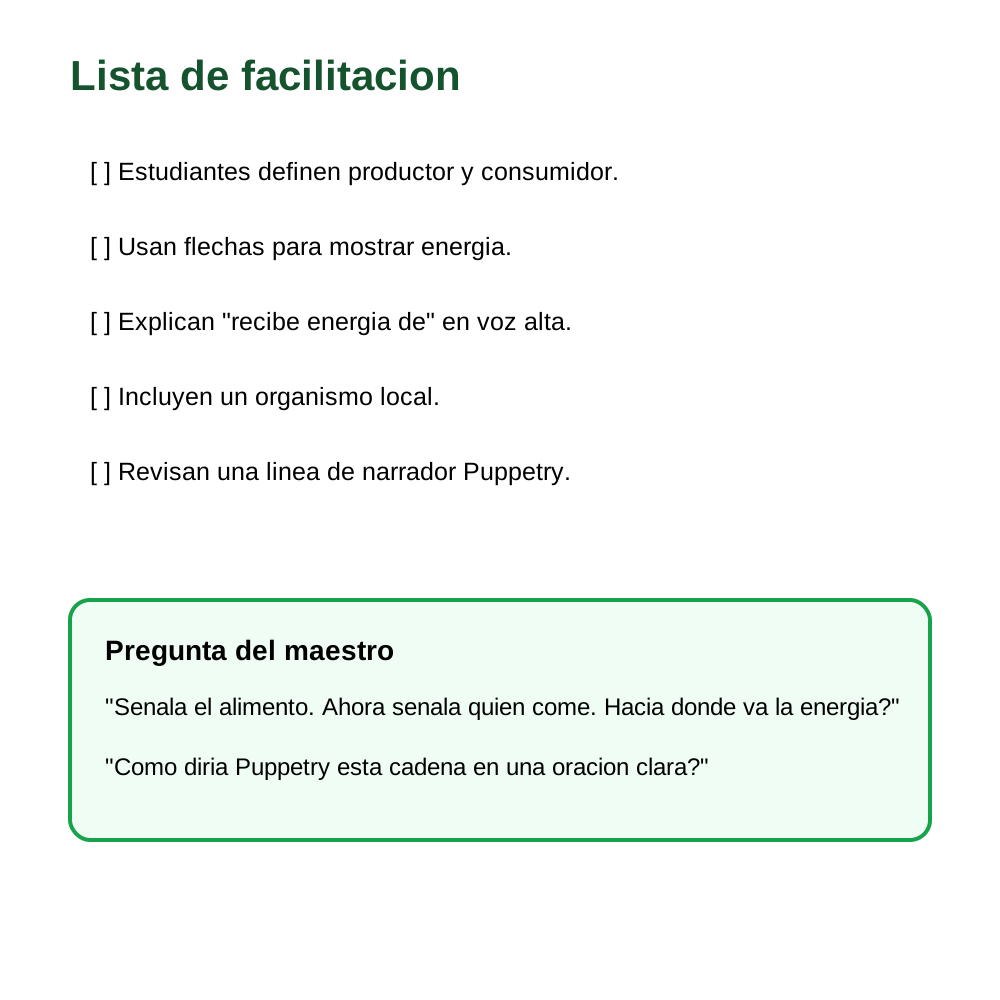
Download Spanish teacher facilitation checklistSpanish teacher look-fors for energy-flow model talk
Related science resources
Food webs
Grades 4-6 · Future topic-cluster page
Helps with: extend simple chains into connected ecosystem models.
Habitats and adaptations
Grades 3-5 · Published teacher kit
Helps with: connect organism structures and behaviors to survival.
Open resource →
Photosynthesis
Grades 4-7 · Published teacher kit
Helps with: connect producers to plant food-making.
Open resource →
Make it with Puppetry
Start with the ready-to-run lesson script, then choose a character and classroom voice in Studio.
Prefills 463 characters, within the free-account limit.